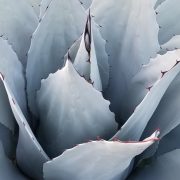

“Succulents, are plants that have some parts that are more than normally thickened and fleshy, usually to retain water in arid climates or soil conditions. The word “succulent” comes from the Latin word sucus, meaning juice, or sap.[1] Succulent plants may store water in various structures, such as leaves and stems. Some definitions also include roots, thus geophytes that survive unfavorable periods by dying back to underground storage organs may be regarded as succulents. In horticultural use, the term “succulent” is sometimes used in a way which excludes plants that botanists would regard as succulents, such as cacti. Succulents are often grown as ornamental plants because of their striking and unusual appearance. Many plant families have multiple succulents found within them (over 25 plant families).[2] In some families, such as Aizoaceae, Cactaceae, and Crassulaceae, most species are succulents. The habitats of these water preserving plants are often in areas with high temperatures and low rainfall. Succulents have the ability to thrive on limited water sources, such as mist and dew, which makes them equipped to survive in an ecosystem which contains scarce water sources. ”
For the complete article on succulents visit the Wikipedia Page here https://en.wikipedia.org/wiki/Succulent_plant
ELEPHANT BUSH ( Portulacaria afra )
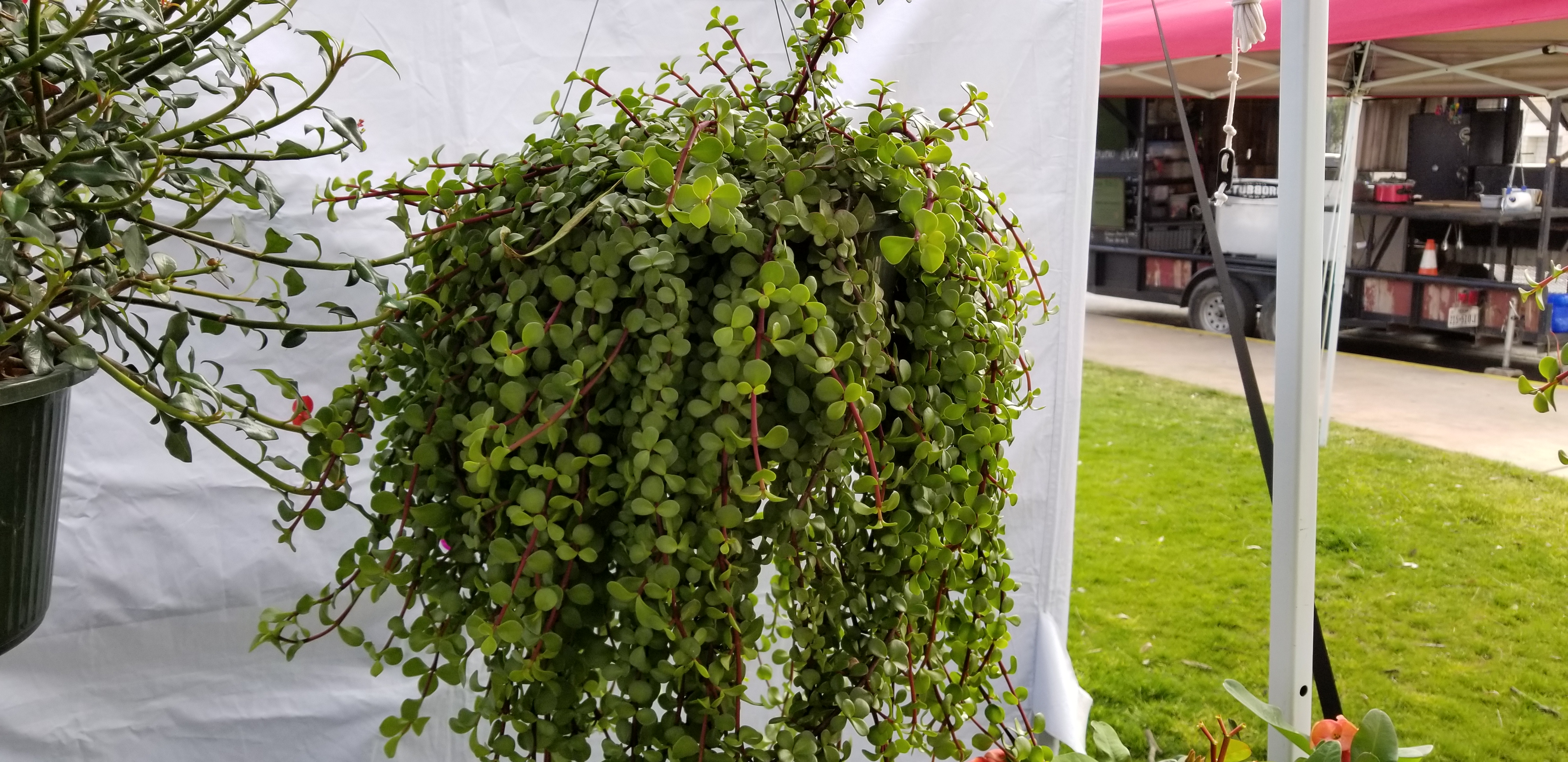

Elephant bush is a small succulent that grows to a few feet in cultivation, but may grow to 20+ feet in the wild where it is eaten by elephants, thus the name. Elephant bush care is like most other succulents and care should be taken to not over water. Elephant bush can form a nice bush and is a great indoor plant or can be grown outdoors in warmer weather. There are several forms of elephant bush from a creeping variety to a variegated form.
ZZ PLANT ( ZAMIOCULCAS ZAMIIFOLIA )
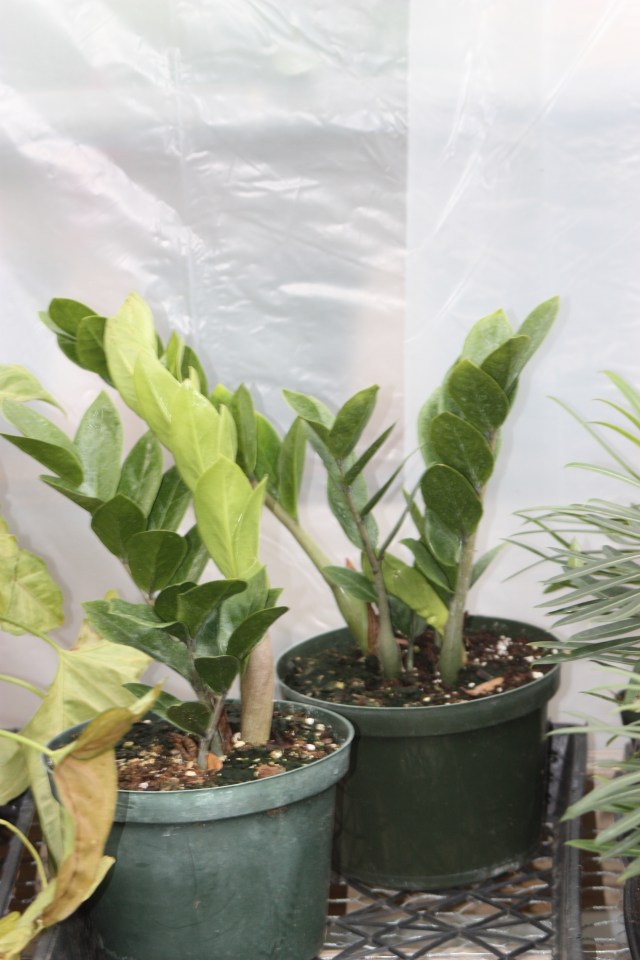
Zamioculcas zamiifolia is a tropical perennial plant native to eastern Africa, from Kenya south to northeastern South Africa. It does great as an indoor plan that thrives in any lighting condition. Once planted, only water ZZ plants when the top 3 inches of soil are dry. It’s much more common to over water than to underwater these plants, so when in doubt, keep them on the dry side.
MADAGASCAR PALM ( Pachypodium lamerei)

Madagascar palm is the common name to describe a few plants in the Pachypodium family from Madagascar. Plants can reach a total of 20 feet in the ground where temperatures do not get below freezing and around 7 feet when planted in pots. They can grown quite quickly when provided with proper care during the year. Plants kept warmer in winter might not go dormant. Flowers will be produced when plants reach a minimum of 3 feet in some species and taller in others.
DEVILS BACKBONE ( Pedilanthus tithymaloides variegata)
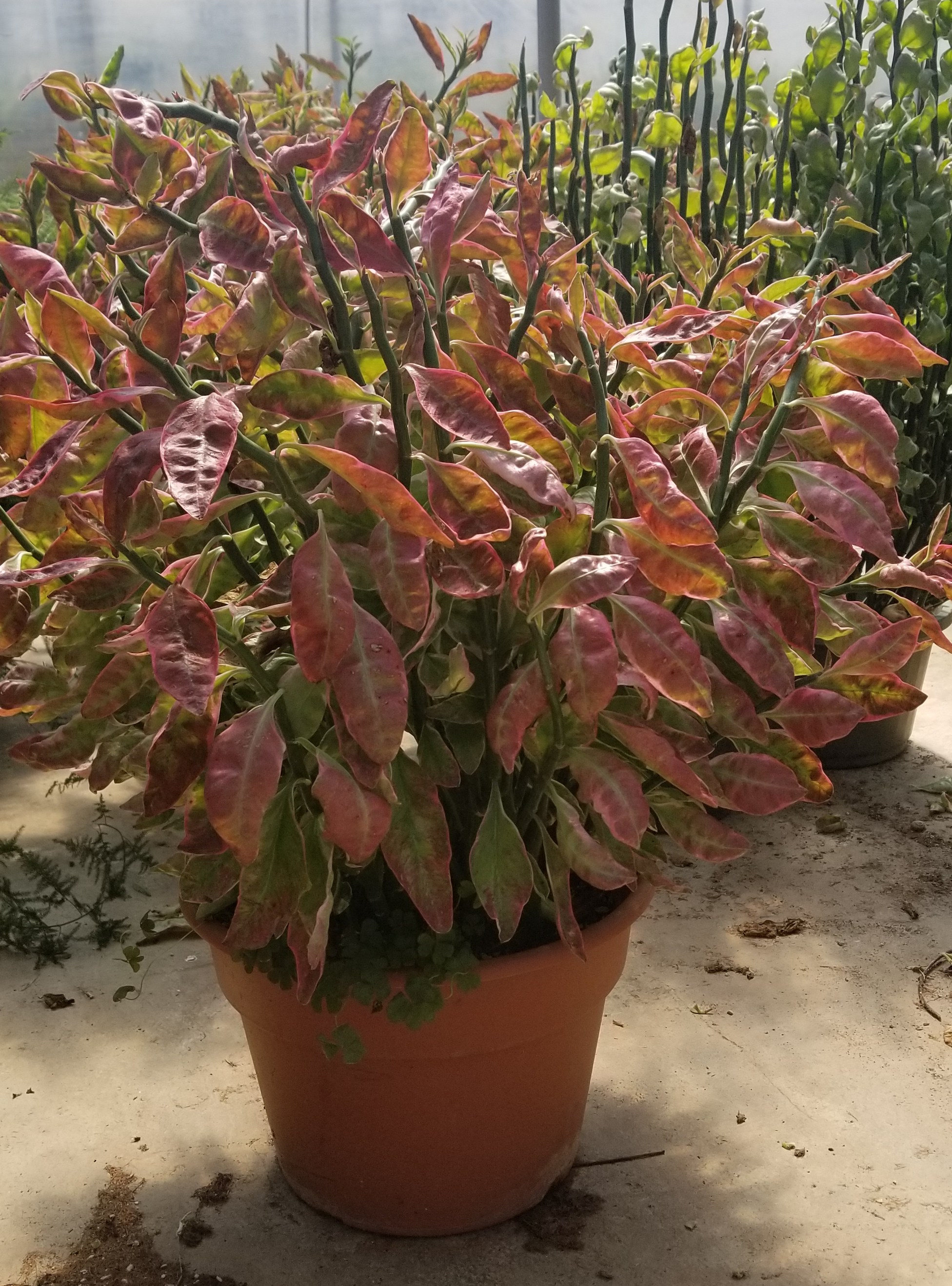
Pedilanthus or Euphorbia tithymaloides is native to tropical and subtropical North America and Central America. It prefers soil that is sandy, well-drained, and nutrient-rich soil. It requires a sunny area and the foliage will turn pink to red with more sun. Once mature it can grow to 6 feet tall and 2 feet wide, with most in cultivation being smaller. With sufficient light it makes a great indoor houseplant.
SOAP ALOE ( Aloe maculata )
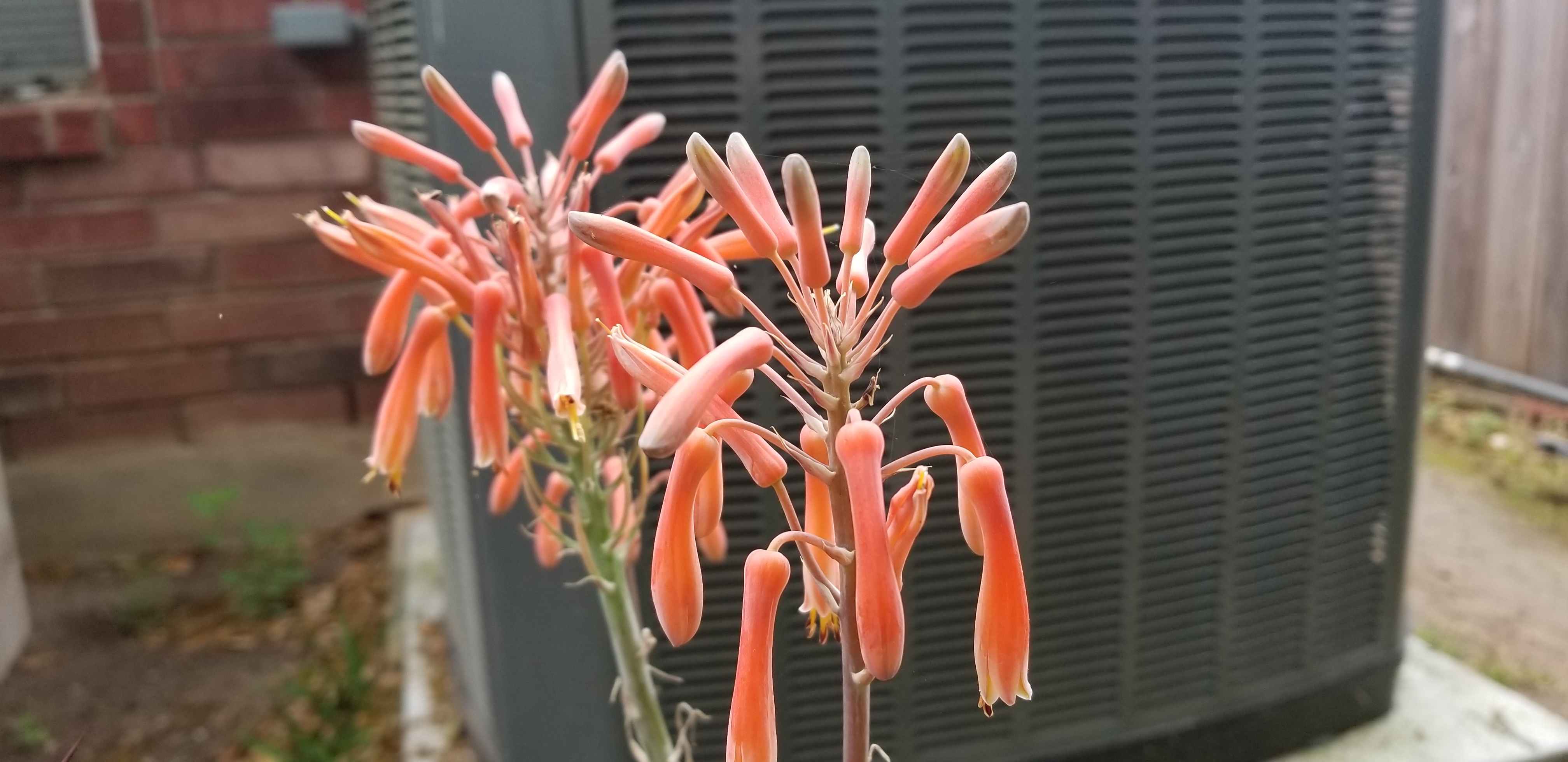

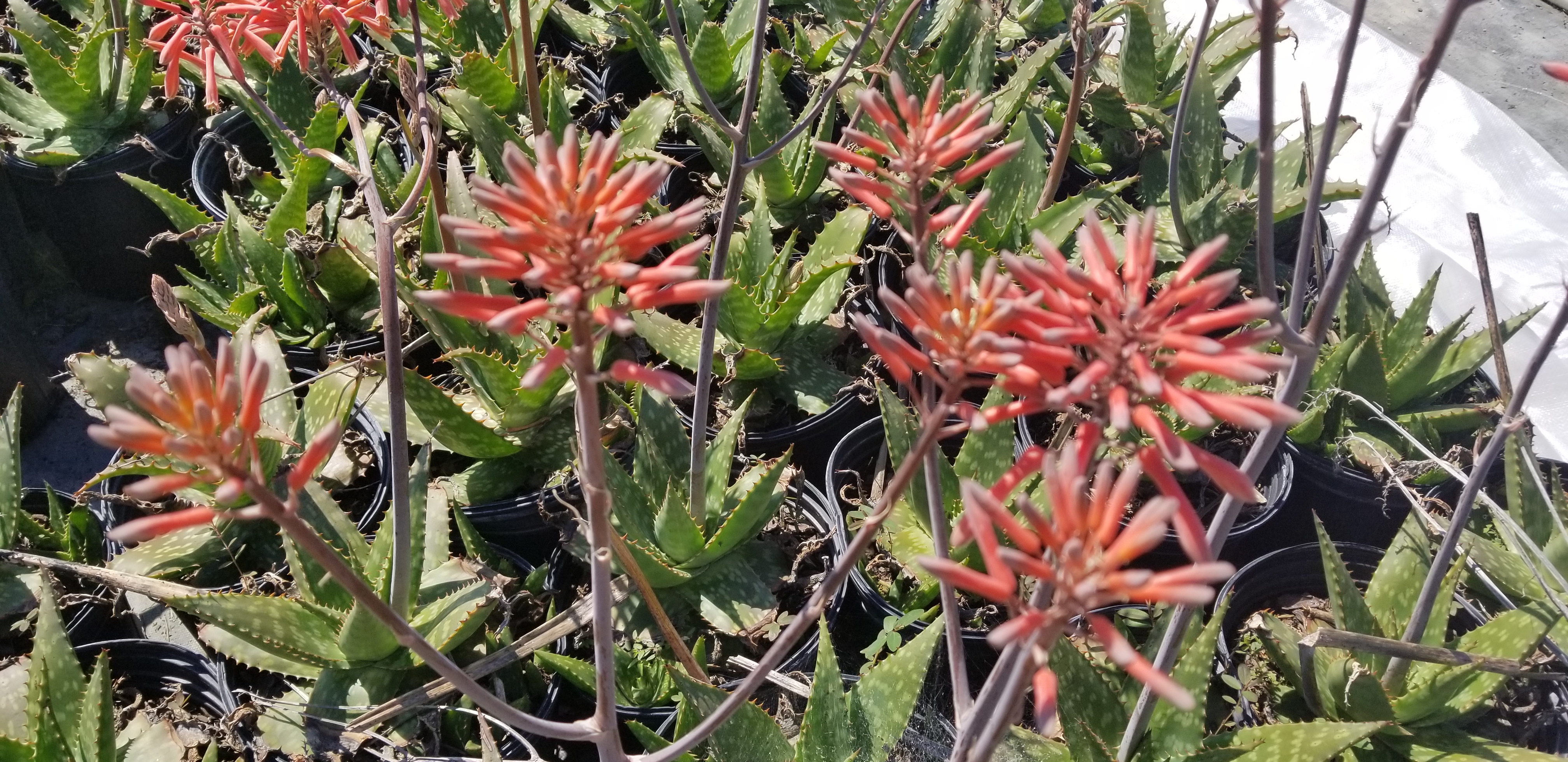
Aloe maculata is a Southern African species of aloe. This aloe grows well in many climates and will form a clumping mass. It will bloom freely and is tolerant to drought conditions. Aloe maculata flowers throughout the year and attracts hummingbirds and bees.
PONYTAIL PALM ( Beaucarnea recurvata)
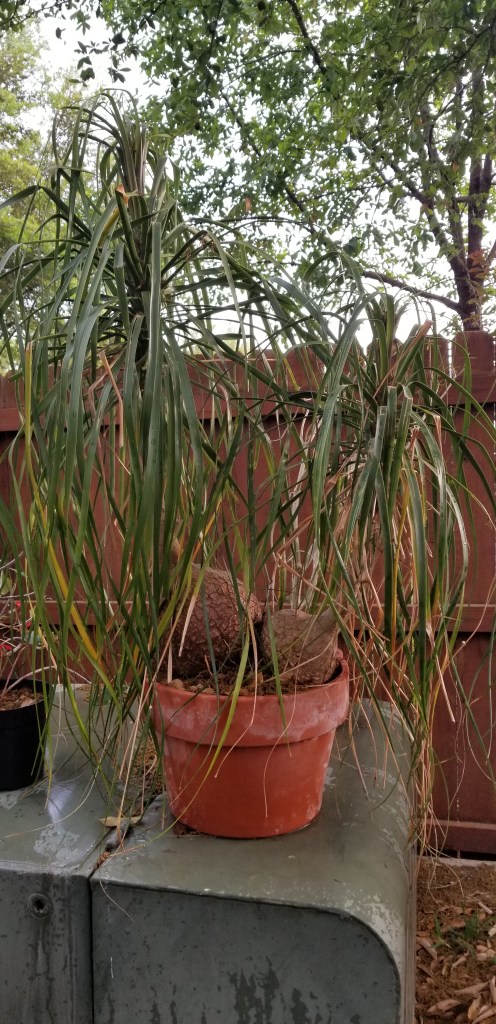
Beaucarnea recurvata is a species of plant in the family Asparagaceae, native to the states of Tamaulipas, Veracruz and San Luis Potosí in eastern Mexico. Despite its common name, it is not closely related to the true palms. It has become popular in Europe and worldwide as an ornamental plant.
 A Bugs Home Nursery